
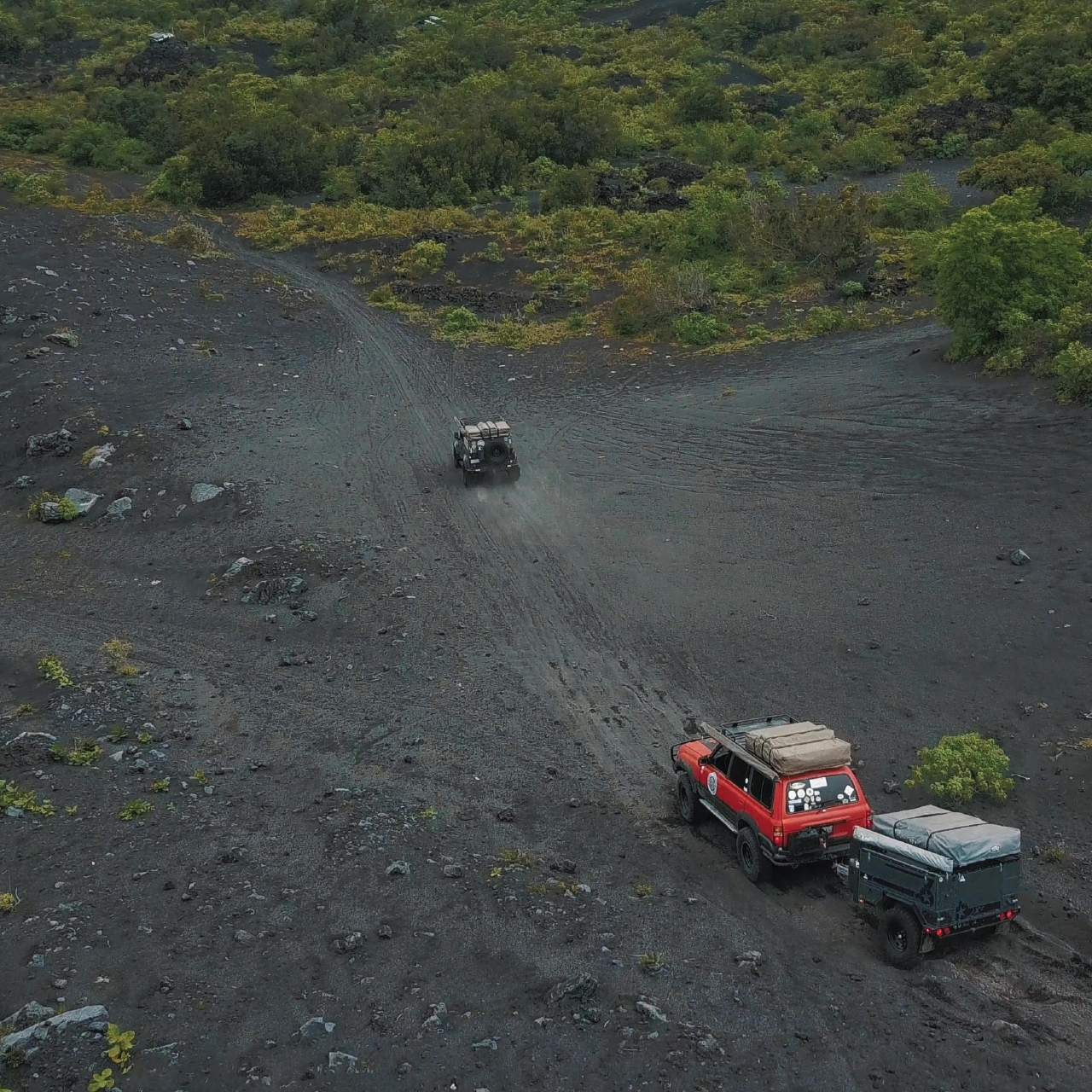
Every time we head into the backcountry, launch a boat, or explore a new trail, we're given the privilege of experiencing nature's beauty firsthand. But with that privilege comes responsibility. The TREAD Lightly! organization has developed a framework that helps outdoor enthusiasts minimize their environmental impact while maximizing their enjoyment of the great outdoors. These five principles aren't just guidelines—they're the foundation for preserving access to the trails, waterways, and wild places we all love.
Travel Responsibly: Stay on the Path
The first principle is straightforward but critical: stick to designated roads, trails, and waterways. When you're on land, this means resisting the temptation to create shortcuts or avoid obstacles by going around them. Instead, go over obstacles to prevent trail widening. If you encounter a stream crossing, use designated fords rather than creating new crossing points.
Weather conditions matter too. Wet and muddy trails are particularly vulnerable to damage, so when possible, save your adventure for a drier day. On the water, the same principle applies—launch your watercraft only in designated areas and stay on approved waterways. These designated routes exist for good reasons: they protect fragile ecosystems while ensuring everyone can continue to enjoy these spaces for years to come.
Respect the Rights of Others: Share the Experience
The outdoors belongs to everyone, and respecting fellow adventurers is essential to preserving the quality of outdoor experiences. This means honoring private property boundaries and leaving gates exactly as you found them—closed gates should remain closed, and open gates should stay open.
Trail etiquette matters whether you're on foot, bike, horseback, or behind the wheel. Yield the right of way to those passing you or traveling uphill. On the water, show consideration for anglers trying to land their catch, water skiers cutting through waves, and boaters navigating the same waterways. Everyone deserves to enjoy their chosen activity without unnecessary disturbance.
Remember that respect extends beyond the moment of passing. Keep noise levels reasonable, give others space, and treat every encounter as an opportunity to demonstrate the outdoor community's values.
Educate Yourself: Preparation Prevents Problems
Knowledge truly is power when it comes to outdoor recreation. Before you set out on any adventure, take time to obtain current travel maps and regulations from the relevant public agencies. Regulations change, new closures can appear, and seasonal restrictions may apply—what was allowed last year might not be permitted today.
Beyond knowing where you can go, invest in understanding how to safely operate your equipment. Take recreation skills classes appropriate to your activity, whether that's an off-road driving course, boater safety certification, or wilderness first aid training. Plan your trip thoroughly, considering factors like weather forecasts, daylight hours, required gear, and emergency protocols.
The more prepared you are, the more you'll enjoy your experience and the less likely you are to inadvertently cause damage or put yourself and others at risk.
Avoid Sensitive Areas: Tread Carefully Around Fragile Ecosystems
Not all terrain is created equal. Some areas are particularly vulnerable to disturbance and require extra caution. On land, this includes meadows, lake shores, wetlands, streams, and riparian zones. These ecosystems are biodiversity hotspots where many species gather to feed, breed, and rest.
Water presence is a key indicator of sensitivity. Wet soils compact easily and recover slowly from damage. Riding along river and stream beds might seem harmless, but it causes erosion and destroys critical habitat for aquatic and semi-aquatic species. The solution is simple: stay on designated routes that have been specifically designed to minimize impact on wildlife habitats and sensitive soils.
Historical, archaeological, and paleontological sites deserve special protection too. These irreplaceable resources tell the story of our shared past and must be preserved for future generations. On the water, avoid operating in shallow areas or near shorelines at high speeds, as this disturbs sediment, destroys aquatic vegetation, and disrupts wildlife.
Do Your Part: Leave It Better Than You Found It
The final principle calls on every outdoor enthusiast to be an active steward of the environment. Model appropriate behavior for others, especially younger or less experienced recreationists who are watching and learning from your example.
Practice the philosophy of leaving areas better than you found them. This means properly disposing of all waste—pack out everything you pack in, and consider picking up trash left by others. Minimize campfire impacts by using established fire rings where fires are permitted, keeping fires small, and ensuring they're completely extinguished. Be vigilant about preventing the spread of invasive species by cleaning your gear, boots, and vehicles between locations.
When you encounter degraded areas like erosion damage or unauthorized trails, take action to repair them if you can do so safely and appropriately. Sometimes this means placing a few rocks to block an illegal trail; other times it means reporting the damage to land managers who can coordinate a proper restoration effort.
Why TREAD Lightly Matters
These principles might seem like common sense, but their consistent application is what separates responsible outdoor recreation from activities that degrade the environment and threaten continued access. Land managers regularly close trails and areas due to user-caused damage and conflict. When we collectively follow the TREAD principles, we demonstrate to public agencies and private landowners that the outdoor recreation community can be trusted to use these resources responsibly.
The result is expanded access, preserved ecosystems, and outdoor experiences that remain available for future generations. Every conscientious decision you make—staying on trail, showing respect to others, preparing properly, avoiding sensitive areas, and doing your part—contributes to this larger goal.
So the next time you head out for an adventure, remember: TREAD Lightly isn't just a catchy acronym. It's a commitment to the places we love and the people who share them with us. By putting these five principles into practice, you're joining a movement of responsible outdoor enthusiasts who understand that protecting access and protecting the environment go hand in hand.
The trails are waiting. Let's explore them responsibly.